How often and how much to water your garden plants on sandy, loamy and medium soils using a drip irrigation system.
What is drip irrigation?
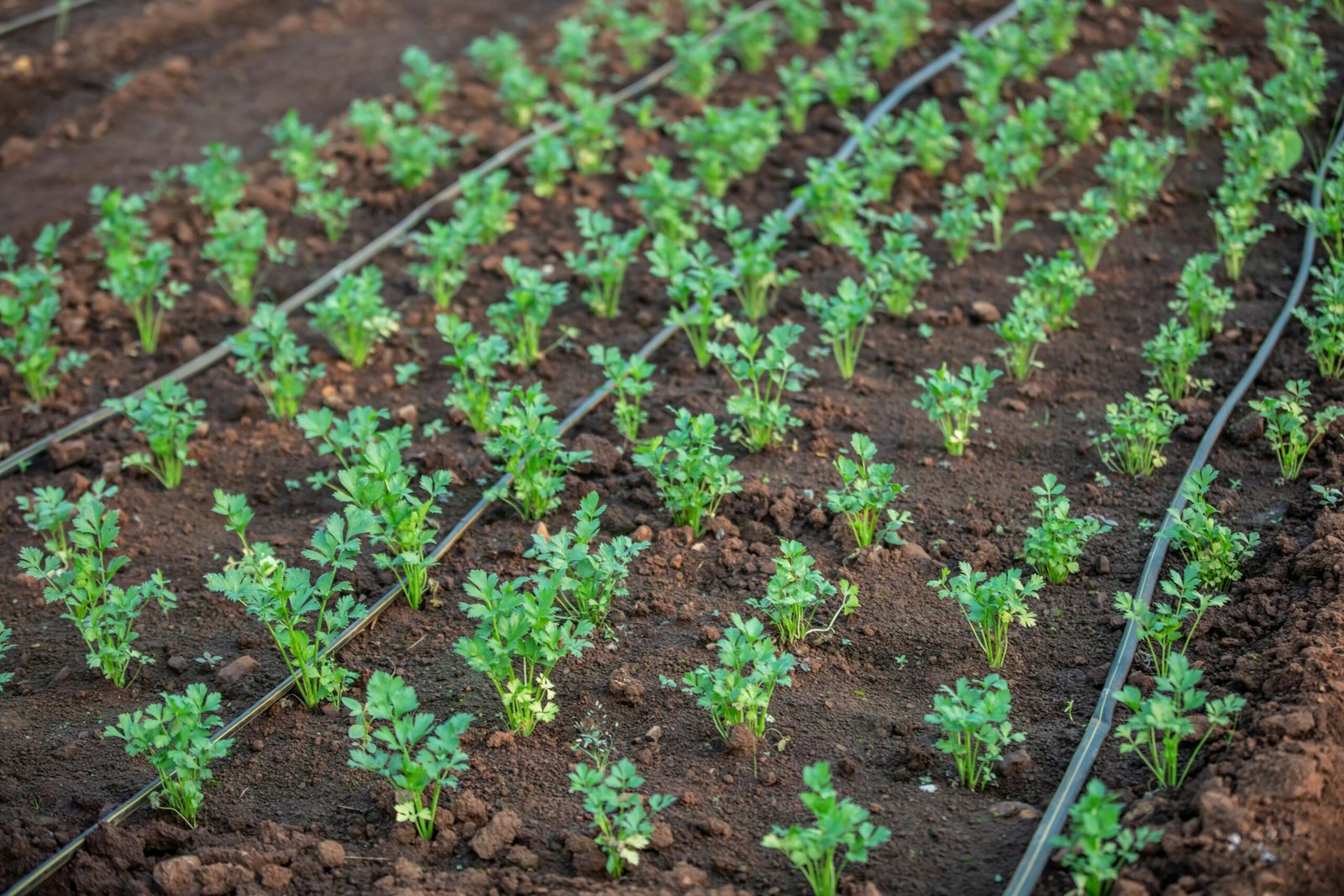
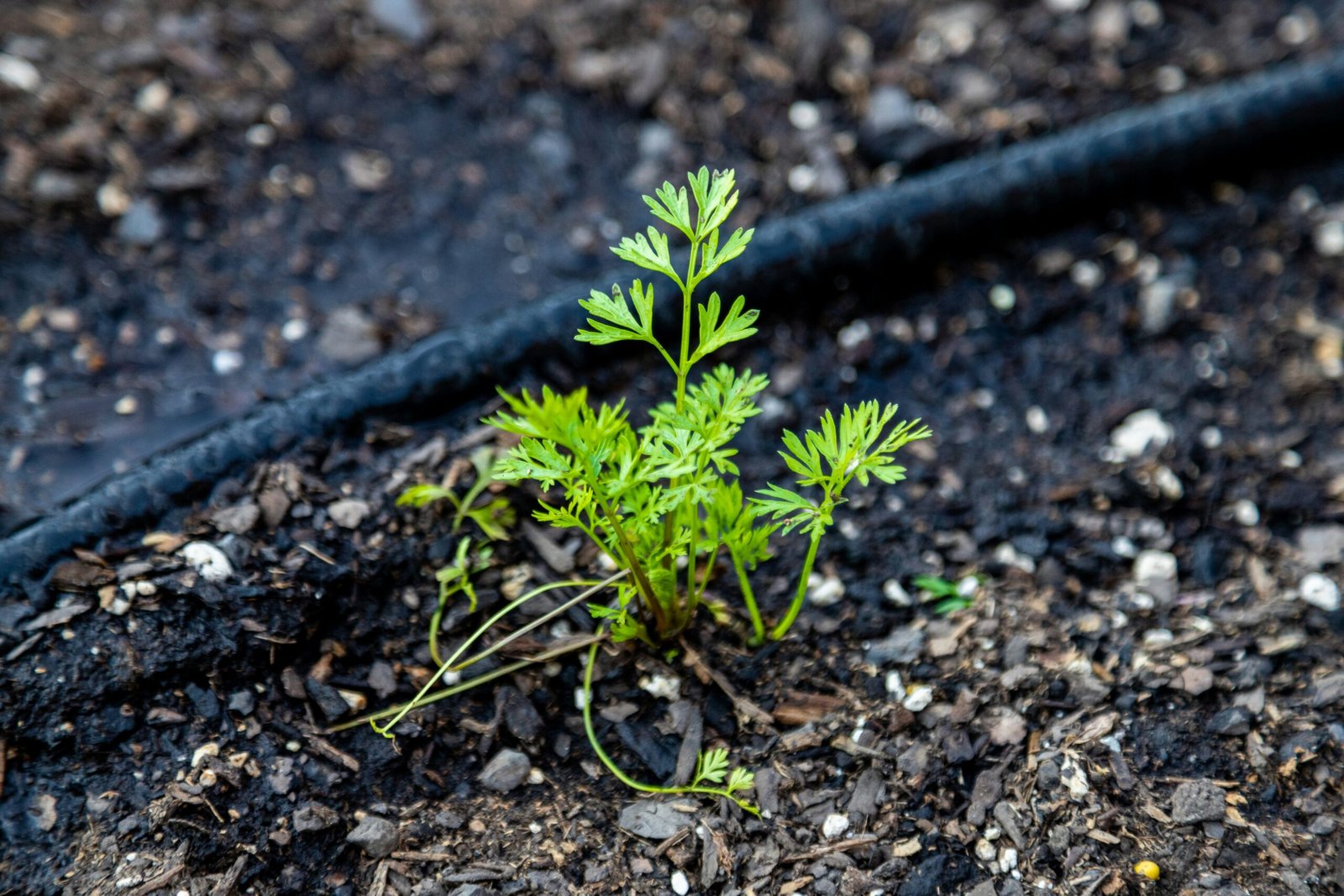
You are watering by drip when you deliver water straight onto the soil, close to the plant’s stem and roots, at a low or very low flow rate, drop by drop.
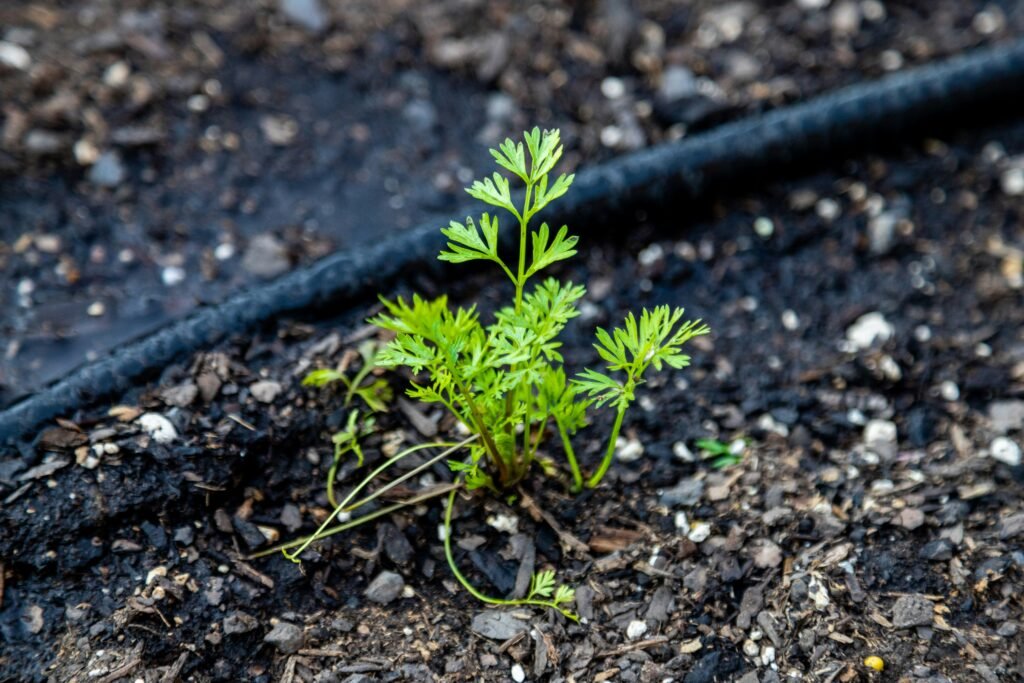
Photo by Eric Brehm on Unsplash
In terms of volume, drip watering generally means between 2 and 10 litres per hour.
You can do this with a proper drip system of hoses and emitters, or with improvised setups (plastic bottles, with or without a cotton wick to guide the water).
It is a watering method that is growing in popularity because it saves water, requires little effort from the gardener and helps plants grow well.
On top of that, fewer weeds come up, since you are only watering around the plant and the soil is less prone to crusting over. You also avoid the diseases that come from excess moisture on the leaves, a common downside of sprinkler irrigation. Read more here about the pros and cons of drip watering.
But for drip watering to give you healthy green plants loaded with fruit and vegetables, it helps to know what type of soil you are growing on and therefore, what type of soil you are watering.
Types of soil
Broadly speaking, there are three main categories of soil (though there are many varieties): sandy, clay, and the soil that sits between the two, let’s call it medium.
Sandy soil: well drained, low in nutrients
Sandy soil is made up of small particles of limestone, granite and quartz. If you try to squeeze a handful, it will not hold together. It crumbles between your fingers.
It is a dry soil, low in nutrients. On the other hand, water passes through it easily and it drains very well, so the roots are not at risk of rotting.
What is more, it warms up more quickly in spring than other soils, which means you can start growing on it earlier in the year.
In summer, however, it dries out very quickly and needs frequent watering. You can improve it by adding mulch, compost and other organic matter that help it retain water for longer.
It also needs frequent feeding, because water passing quickly through the soil takes the useful nutrients from the fertile surface layer down into the deeper layers, where the roots cannot easily reach them.
Drip irrigation on sandy soil
In sandy soil, water moves faster and travels further downwards than sideways.
It does not have much time to spread out. If you are watering this kind of soil, it is best to place the emitters as close to the plant as possible. Otherwise, the water will not have time to reach the roots and will simply drain away beside them, or only wet a small part of the root zone.
Likewise, choose lateral hoses and emitters with a higher flow rate (7–10 litres/hour). When you deliver a large volume of water quickly, it has enough time to spread sideways before it soaks in. Even so, the emitters need to be spaced more closely along the lateral hose than on other soil types.
When you drip-irrigate sandy soil, water more often and for shorter periods. This is the best way to keep the moisture at the roots reasonably constant. Otherwise, you are simply washing the nutrients out of the soil.
Loamy soil: rich in nutrients, poor drainage
This type of soil is very dense, and water is absorbed more slowly than in sandy soil. Once it does soak in, however, it holds onto it very well.
Water is absorbed more sideways than downwards, and as the soil dries, it hardens and cracks, becoming difficult to work. Plant roots have a harder time spreading through soil like this, so it is important to dig it over thoroughly before sowing.
Drainage is limited. For that reason, loamy soil is very rich in nutrients. Along with the water, the nutrients also settle in the upper layers. On the other hand, if you do not manage watering carefully, you run the risk of waterlogging the roots, because the water cannot drain away efficiently.
Drip irrigation on loamy-clay soil
For loamy soil, it is best to use low-flow emitters. If water trickles out very slowly, you give it enough time to soak in deeply.
That way, you avoid puddling or run-off across the surface into areas away from the plant, and you also limit how much water evaporates.
In this case, less frequent watering is recommended, so that water stays well in the soil, but with longer watering durations.
That is how, with a low flow rate, you can deliver the right amount of water for each plant. For individual plants, choose low-flow emitters of 2–3 litres per hour.
Medium soil: good drainage, retains nutrients
This is the best type of soil, and it combines the advantages of loamy and sandy soils. In most cases, it is the result of steadily improving a loamy-clay or sandy soil over time.
It holds water long enough to feed the roots, but drains in time to avoid the risk of disease.
Because it is denser than sandy soil, water moves more slowly downwards through medium soil, and has time to be absorbed sideways as well.
Drip irrigation on medium soil
Here, water is absorbed at a moderate speed and has time to spread sideways.
You can therefore space the emitters further from the plant than you would on sandy soil. Medium-flow emitters are recommended.
How to work out the watering pattern for the soil in your garden
The watering pattern tells you how far the water travels sideways and downwards through the soil you are growing on. You can see how water behaves in the ground by observing it directly. It is the surest way to know how you need to water (flow rate, duration, emitter placement).
Step 1: Run the drip system
Let the water flow for 30 minutes through the emitter.
Step 2: Wait 30 minutes
Wait another 30 minutes to give the water time to spread through the soil naturally, following the structure of the ground.
Step 3: Dig and check the pattern
Dig underneath the emitter and see how far the water has travelled downwards and sideways. That tells you exactly how water is distributed at your plants’ roots, and makes it easier to set up your drip system correctly and precisely.