Water savings, fewer weeds, more effective fertilizer use, and faster-germinating seeds are just a few of the perks of drip irrigation. Keep reading to see what other advantages these watering systems bring to your garden.
Watering correctly — at the right time and in the right amount — is key to a beautiful garden, healthy plants, and a good harvest. When rain won’t cooperate, it helps to have a reliable way to keep your garden watered. Drip irrigation is exactly that kind of solution.
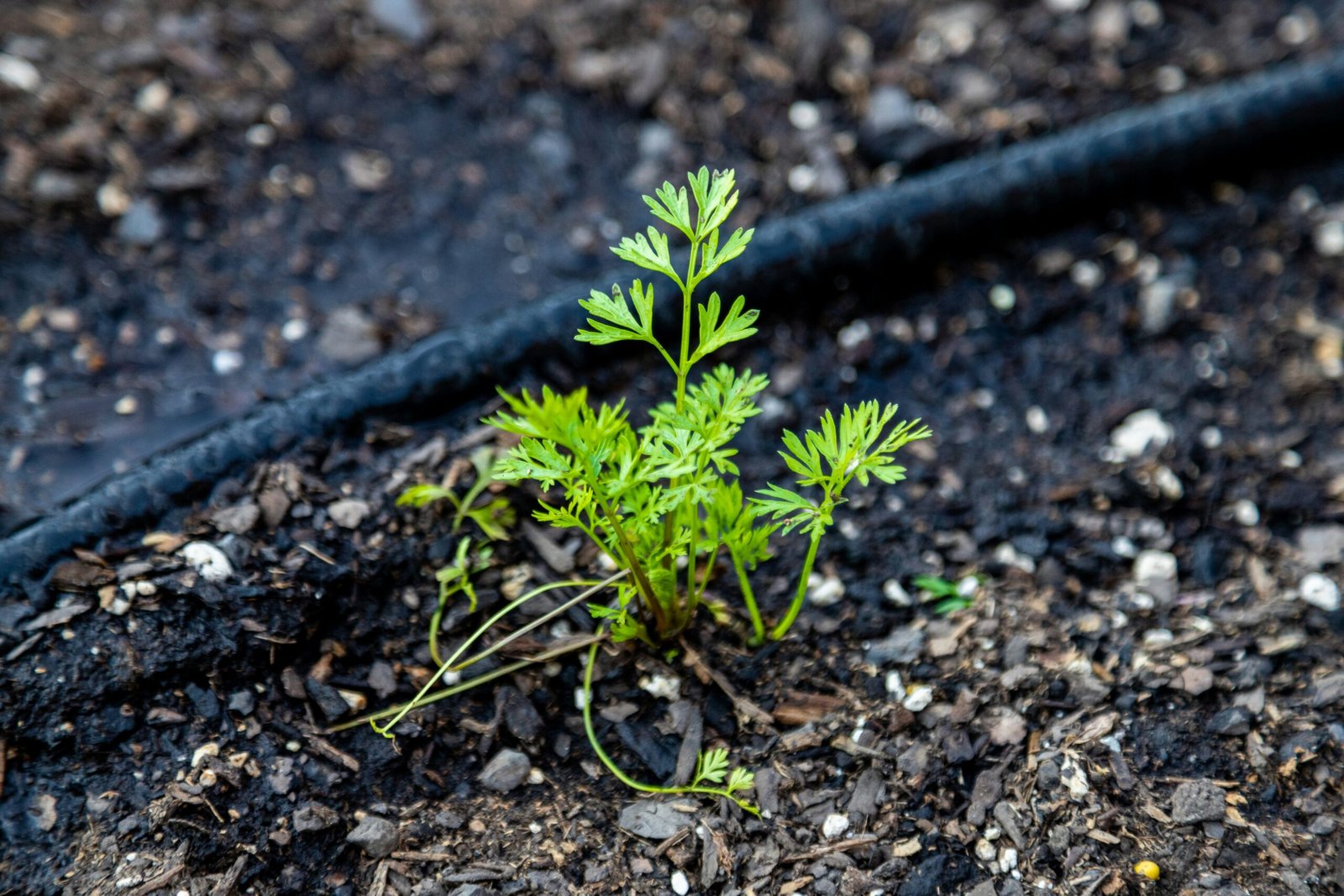
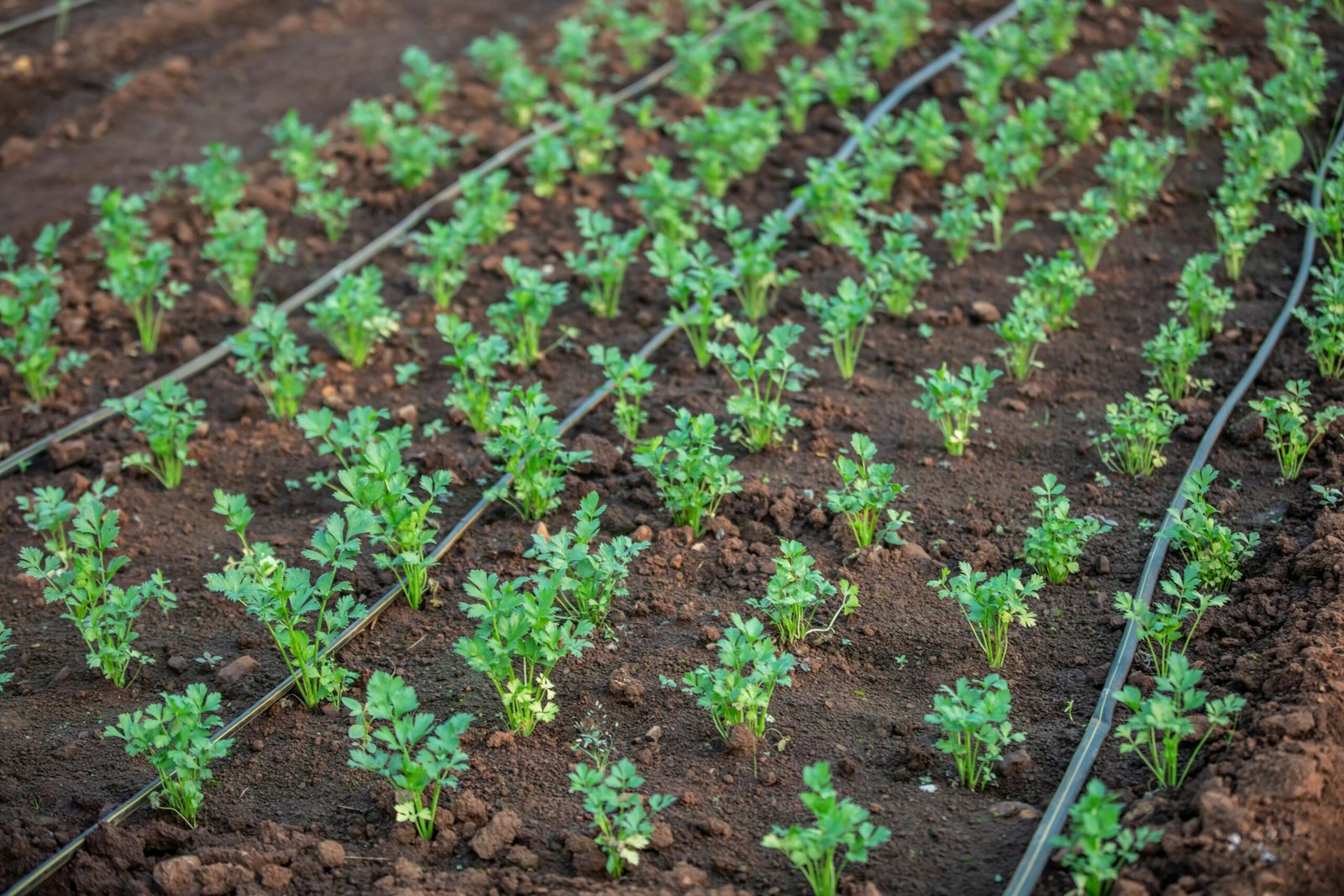
As the name suggests, we’re talking about watering drop by drop, right at the base of the plant, at a slow, steady rate of about 2 to 20 liters per hour.
Water gets delivered through a network of hoses, tubing, and drip lines, drawing from a tap, well, or storage tank (with the help of a pump if needed).
It’s a method that’s catching on here too, especially with rising summer temperatures — and it offers some real advantages for gardeners, no matter how big or small your growing space is.
Drip irrigation uses less water
Drip watering is ideal for dry spells and drought-prone areas. Since the water goes straight to the plant and its root zone, you’re not wasting water on bare soil or weed-covered patches nearby.
If you pay attention to how much water it takes to properly soak the soil around the stem and turn off your system at the right time, you also avoid the runoff that would otherwise sit on the surface and evaporate.
With a drip system, you get much better control over both the area you’re watering and exactly how much water reaches each plant.
With drip irrigation, water goes straight to the base of the plant and soaks into the soil quickly. That means more even watering, with less water pooling where it shouldn’t.
Healthier leaves
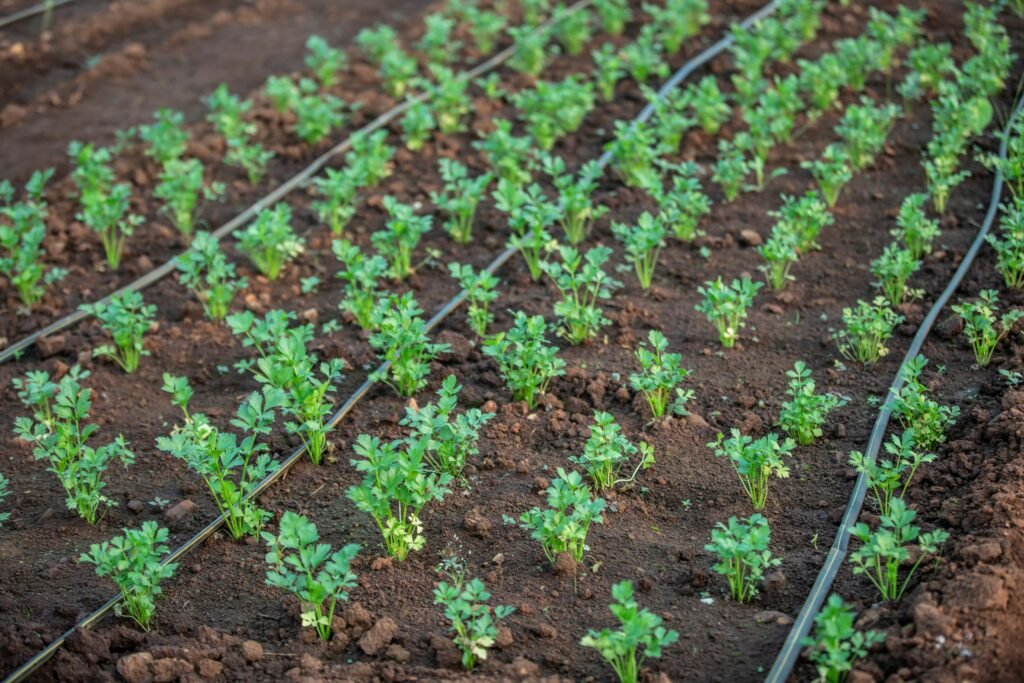
When you water with a sprinkler or a regular hose, water tends to sit on the leaves for a while.
That moisture makes plants more prone to disease, and under direct sunlight, water droplets can actually act like tiny magnifying glasses and cause leaf burn. Watering at the base instead cuts the risk of fungal infections and leaf spotting.
Less soil erosion
Drop-by-drop watering is a gentle method that helps prevent soil erosion in areas where that’s a concern.
Plus, since water doesn’t rush through the soil in large amounts, nutrients — whether natural or added — stay in place better.
Makes fertilizer and treatments more effective
Just like it saves water, a drip system also helps you apply fertilizers and treatments more efficiently.
Nutrients go straight to where they’re needed, right at the plant’s root zone, instead of getting wasted on uncultivated soil between rows.
You get finer control over how much reaches each plant, and can easily vary the amount for young seedlings versus mature plants — without wasting a drop.
Fewer weeds
Weeds between your plants tend to thrive when they get watered and fertilized along with everything else — which is exactly what happens with sprinklers or hose watering.
Watering directly at the base of your seedlings and mature plants helps keep weeds from taking hold in the first place. Less weeding for you, and less need for herbicides, hoes, or hand-pulling.
Seeds germinate more easily
Because drip irrigation keeps moisture levels fairly consistent, seeds tend to sprout faster than with traditional watering. This works well in greenhouses and cold frames too.
No need for perfectly level, aerated ground
When you water with a sprinkler or hose, pooling water and uneven ground quickly become a problem.
Sloped areas mean some spots get more water than others, and water that collects in low points becomes a breeding ground for pests.
Works well even with low water pressure
The pressure difference between sprinklers and a drip system is easy to see.
If your property doesn’t have great water pressure, drip irrigation is likely your best bet for watering efficiently.
A drip system means less manual labor
A well-designed, properly installed drip kit saves you a lot of work. All you really have to do is turn the water on and shut it off at the right time.
Want to cut down on the effort even more? You can add a timer to your drip kit — this handy accessory lets you schedule the whole system to turn on and off automatically.
For anyone who wants healthy crops, a bountiful harvest, and a beautiful, well-kept garden, drip irrigation systems are a seriously appealing option with a lot of upside.
That said, before you buy a drip kit and start installing, it’s worth weighing a few downsides that come with this solution.
The upfront investment is significant
We’re talking about hoses of different sizes running across your whole growing area, following the layout of your plants, trees, and vines, plus plenty of fittings (connectors, plugs, tees, nozzles, valves, gaskets, clamps, elbows).
That upfront cost will be higher than just running a hose from one part of the garden to another.
In some cases, it can even cost more than a sprinkler setup, which covers a large area from a single spray point. But that investment pays off over time — both through water savings and better harvests.
Drip nozzles need regular unclogging
Because they sit close to ground level — and because of hard water or iron content — drip nozzles clog up and need regular cleaning.
You can get unclogging tools made for drip lines that are easy to use and affordable. They don’t work on their own, though — you’ll need to manually clear any blocked nozzles yourself.
Drip systems need to be properly installed
Like any watering setup, drip irrigation needs a bit of planning before you buy materials and get to installing.
None of the steps are particularly hard, and you’ll find plenty of tutorials online to walk you through doing it yourself.
Requires a full drain before winter
The hoses in a drip system — especially the main lines — can crack if they’re left full of water over winter. So it’s essential to fully drain the system before the first freeze.
You’ll need to check the nozzles and hoses periodically
For watering to stay effective, and for your seeds and plants to grow well, you need to check your drip system regularly.
This part’s a bit trickier since everything happens at ground level, making it harder to spot a clogged nozzle or a cracked hose.
While plants are still small, you can use the look of the soil to spot problem areas (patches that are too dry, or ones that stay constantly wet).
Once plants have grown, keep an eye on the leaves too (yellowing patches, etc.) — but don’t skip a direct visual check of the drip tubing either.
To grow well and produce a good yield, plants need clean water in the right amount on a regular basis. Sometimes that means irrigation comes with added costs. Still, drip irrigation remains one of the best ways to water efficiently — and it can make a real difference during dry spells.